Reviewing Sometimes You Need to Create Your Own Su for Embroidery
As a designer who has spent countless hours digitizing and stitching out machine embroidery design files, I have learned that the difference between a mediocre product and a bestseller often lies in the source art. When I first opened the package for Sometimes You Need to Create Your Own Su, my immediate goal was not just to admire the aesthetics but to evaluate its viability for real-world application. This is not merely a digital asset; it is a potential revenue stream for Etsy sellers, craft business owners, and boutique decorators.
First Impressions and Visual Personality
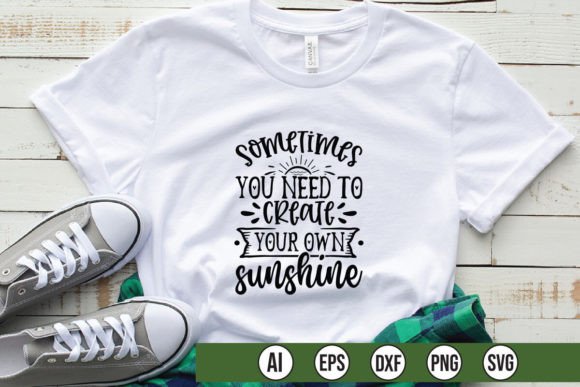
The phrase itself carries a weight of empowerment and creativity, which immediately suggests a specific mood. It feels modern, slightly rebellious, and deeply personal. For an embroidery project, this means the typography and layout must be crisp enough to read clearly after the needle hits the fabric. The visual personality of Sometimes You Need to Create Your Own Su leans toward clean lines and balanced spacing, which is crucial for maintaining legibility in stitched form.
What stands out initially is the versatility implied by the file types provided. Having access to editable vectors like Ai, EPS, SVG, and DXF means we are not locked into a single rigid interpretation. For those of us who customize designs for clients, this flexibility is invaluable. We can adjust the scale or tweak minor elements to fit specific hoop size constraints without losing quality. The inclusion of high-resolution PNG and JPG files with transparent backgrounds also speaks to the need for strong presentation materials, such as printable mockup assets for online listings.
Real-World Application: The Custom Tote Test
To truly understand how this design performs, I imagined a common scenario: a custom order for a canvas tote bag. Canvas is a sturdy fabric, but it has a distinct texture that can swallow fine details if the stitch density is not managed correctly. Using Sometimes You Need to Create Your Own Su on a natural cotton tote requires careful consideration of thread choice. A matte cotton thread might blend too much if the color contrast is low, whereas a slight sheen from rayon or polyester could make the text pop against the rough weave.
In this context, the design serves as a statement piece. It transforms a simple utility item into a handmade product with attitude. For small shop product lines, this kind of messaging resonates with buyers who value individuality. The design does not need excessive embellishment; its strength lies in the message. However, because it is likely text-heavy or graphic-focused, ensuring that the underlying embroidery file uses appropriate stitch types—such as a solid fill stitch for larger areas or a precise satin stitch for borders—is critical for durability.
Navigating Fabric and Hoop Constraints
While the design is versatile, it is not universal. I would exercise caution when applying Sometimes You Need to Create Your Own Su to stretchy fabrics like jersey knits used in t-shirts or baby clothes. Without proper stabilization, the text could distort during wear or washing. A cut-away stabilizer would be non-negotiable here to maintain the integrity of the letters. Similarly, on curved surfaces like caps, the layout might need adjustment to prevent puckering at the edges.
For baby embroidery or delicate items, the scale becomes a primary concern. If the original artwork contains tiny details or thin serifs, they may not translate well into thread. In such cases, simplifying the design or increasing the overall size is necessary. Always test on scrap fabric first. This step allows you to check thread tension and ensure that the thread colors provide sufficient contrast against the background material. Dark fabrics, in particular, can hide dark threads, so opting for lighter or brighter hues can enhance visibility.
Commercial Viability and Brand Consistency
For commercial embroidery projects, consistency is key. The ability to change colors easily, as suggested by the "100 color changeable" feature, allows businesses to align the design with brand palettes. Whether you are creating sweatshirt embroidery for a corporate team or holiday embroidery gifts for clients, having control over the color scheme ensures that the final product looks professional and intentional.
The inclusion of vector formats like SVG and DXF is particularly beneficial for hybrid workflows. You might use the vector file to create a vinyl heat transfer version for items where embroidery is not feasible, then use the embroidered version for premium products. This dual approach maximizes the utility of the purchase. Furthermore, high-quality mockups included in the package help digital product sellers present their listings attractively, boosting buyer engagement and trust.
Practical Designer Notes
Before launching this design into your production line, consider these practical steps:
- Check Stitch Density: Ensure the digitized version does not have excessive density, which can cause fabric stiffness or needle breaks.
- Verify Licensing: Although the product offers editable files, always confirm the license terms for selling finished items or digital products to avoid legal issues.
- Test on Various Fabrics: Run test stitches on cotton, polyester, and blends to see how the design behaves on different textures.
- Contrast Check: View the design in black and white to ensure the shapes remain distinct without color reliance.
- Hoop Size Confirmation: Measure the design dimensions against your machine’s maximum hoop capacity to avoid resizing errors.
Ultimately, Sometimes You Need to Create Your Own Su is more than just a graphic; it is a tool for storytelling through thread. When used thoughtfully, it enhances the perceived value of custom apparel and personalized gift items. By paying attention to technical details like stabilizer choice and thread contrast, you can ensure that the final stitched result matches the high quality of the digital source. For makers looking to expand their design assets with meaningful, marketable content, this design offers a solid foundation for creative exploration.